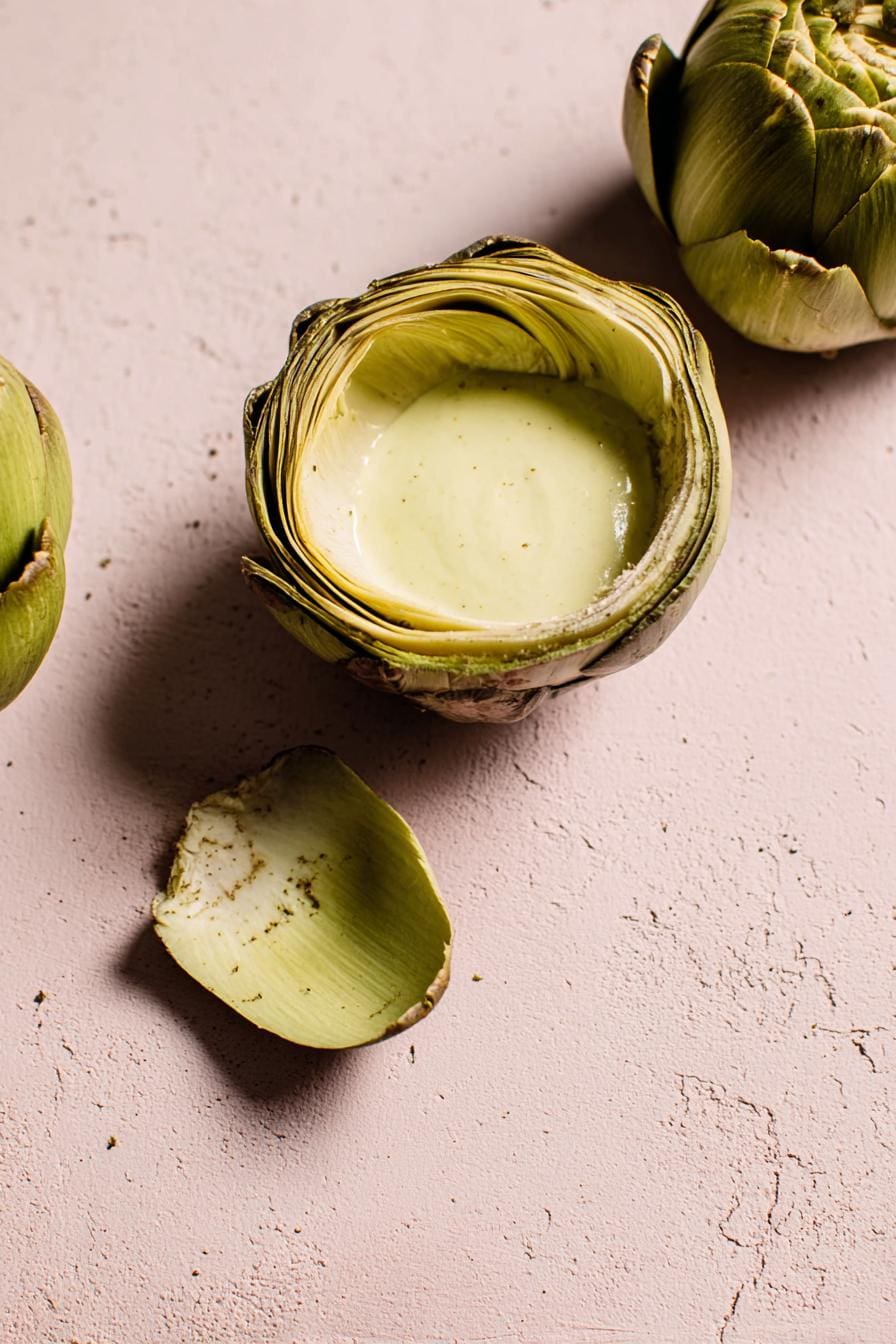
The artichoke: a culinary enigma wrapped in thorny leaves, often sitting on a kitchen counter like a medieval fortress daring you to breach its defenses. For many, its spiky exterior and seemingly complex structure can be intimidating, leading to questions like, "how do I even begin to eat an artichoke?" But fear not, adventurous foodie! This unique vegetable, a member of the thistle family, holds within its layers a treasure trove of tender, nutty, and buttery flavor just waiting to be discovered. Once you unlock its secrets, you'll find that eating an artichoke isn't just a meal; it's an experience, a journey from outer defense to succulent core. Get ready to steam, dip, and savor your way to artichoke mastery.
Demystifying the Artichoke: A Culinary Overview
Before diving into the practicalities of consumption, let's understand what we're working with. An artichoke is not, as many assume, a flower. It's actually the edible flower bud of a thistle plant, harvested before it fully blooms. This botanical distinction explains its unique appearance, with tightly layered bracts (often called "leaves") protecting a soft inner core.
The taste of a properly cooked artichoke is subtly earthy, with hints of nuttiness and a surprising sweetness, especially in the tender heart. It's a flavor profile that lends itself beautifully to various accompaniments, enhancing its inherent deliciousness. Beyond its captivating taste and unique texture, the artichoke is also a nutritional powerhouse. Rich in antioxidants, fiber, and essential nutrients like Vitamin C, Vitamin K, folate, and magnesium, it's a healthy and delightful addition to any diet. So, while it may seem like a challenge, the rewards – both culinary and health-wise – are well worth the effort.
Prepping Your Artichoke for Culinary Success
The journey to enjoying an artichoke begins with proper preparation. While its raw form is tough and indigestible, a few simple steps transform it into a tender delicacy. For a more in-depth exploration of identifying all the edible parts of this magnificent thistle and how to remove the inedible choke, you might find our guide, Artichoke Mastery: Identify Edible Parts and Remove the Choke, particularly helpful.
Cleaning and Trimming Your Thistle
- Rinse Thoroughly: Begin by rinsing the artichoke under cold water to remove any dirt or debris.
- Trim the Stem: Cut about an inch off the bottom of the stem. While the stem itself isn't typically eaten raw, its peeled core is edible and tender when cooked.
- Snip the Tips: Using a sharp knife or kitchen shears, snip off the sharp, thorny tips of the outer leaves. This isn't strictly necessary but makes handling and eating the artichoke much more pleasant. You can also trim about an inch off the top of the artichoke to remove the remaining sharp tips.
- Prevent Browning (Optional): Artichokes can oxidize and brown quickly once cut. To prevent this, rub the cut surfaces with a lemon wedge or drop the trimmed artichoke into a bowl of water acidified with lemon juice.
The Art of Steaming: The Best Cooking Method
While grilling or roasting artichokes can be delicious, steaming is widely considered the best method for preparing them whole for eating. It ensures a tender texture throughout and preserves their delicate flavor without over-saturating them with water.
- Set Up Your Steamer: Place a steamer basket in a large pot. Fill the pot with about 2-3 inches of water, ensuring the water level is below the bottom of the steamer basket. Adding a lemon half or a bay leaf to the water can infuse subtle flavor.
- Arrange the Artichokes: Place the trimmed artichokes in the steamer basket, stem-side up or sideways.
- Steam Gently: Bring the water to a low boil, then reduce the heat to a simmer and cover the pot tightly. Steam for 25-45 minutes, depending on the size of the artichoke. Larger artichokes will take longer.
- Check for Doneness: An artichoke is cooked when an outer leaf can be easily pulled off, and the base of the leaf is tender. You can also pierce the bottom with a knife; it should go in with little resistance. Be careful not to over-steam, which can result in a mushy texture. Do not submerge them completely in water, as this can lead to browning and a waterlogged texture.
The Step-by-Step Guide: How to Eat an Artichoke Like a Pro
Once your artichoke is perfectly steamed, it's time for the main event. This is where many first-timers hesitate, but with a little guidance, you'll be a pro in no time. For a broader overview of the entire process from selection to serving, be sure to check out our comprehensive guide: How to Eat an Artichoke: Your Guide to This Delicious Thistle.
Navigating the Outer Leaves (Bracts)
- Pluck a Leaf: Start from the outside, pulling off one of the larger, tougher outer leaves (bracts).
- Dip and Savor: Dip the fleshy, un-snapped end of the leaf into your chosen accompaniment. Classic choices include melted butter (perhaps with a touch of garlic or lemon), Hollandaise sauce when served warm, or mayonnaise, aioli, or a zesty vinaigrette if served cold.
- Scrape the Meat: Place the dipped end of the leaf into your mouth, bite down about halfway up the leaf, and then pull the leaf out, scraping the tender, edible "meat" at its base off with your teeth. Discard the fibrous remaining portion of the leaf.
- Repeat: Continue this process, working your way around the artichoke. As you get closer to the center, the leaves will become smaller, lighter in color, and more tender. You'll find less "meat" to scrape, and eventually, the entire base of the inner leaves becomes edible.
Uncovering the Delicious Heart (and Dealing with the Choke)
As you peel away the innermost, pale purple-tipped leaves, you'll eventually reach the "choke." This is the fuzzy, bristly layer that sits directly on top of the heart. The choke consists of the earliest stage of the developing flower petals and is inedible in mature artichokes due to its spiky, fibrous texture. In younger or baby artichokes, these hairs can be so silky and fine that they dissolve in the mouth, allowing the entire inner portion to be eaten. Certain cultivars, like 'Violetto,' are also known for having very little or no choke, making them entirely edible after minimal cleaning.
- Identify the Choke: Once you've pulled off all the edible leaves, you'll be left with a fuzzy, hair-like layer covering the rounded artichoke heart. This is the choke.
- Remove the Choke: For mature artichokes, use a spoon to carefully scoop out and discard all of the fuzzy choke. Scrape until you reveal the smooth, firm surface of the artichoke heart beneath.
- Savor the Heart: The artichoke heart is the most prized part of the vegetable – tender, sweet, and utterly delicious. Cut it into pieces if desired, and enjoy it with a final dip of your favorite sauce.
Elevate Your Artichoke Experience: Tips and Pairings
Now that you've mastered the fundamentals of how to eat an artichoke, let's explore ways to enhance your enjoyment:
- Creative Dipping Sauces: Go beyond plain butter or mayo. Consider a lemon-herb aioli, a garlicky vinaigrette, a creamy dill sauce, or even a spicy Sriracha mayo.
- Lemon is Your Friend: A squeeze of fresh lemon juice brightens the flavor of both the artichoke and any dipping sauce. Always have lemon wedges on hand.
- Serving Temperature: Artichokes are delightful served warm right after steaming, but they can also be refrigerated and served cold with a tangy vinaigrette for a refreshing appetizer.
- Wine Pairings: Artichokes contain cynarin, which can make some wines taste sweet. Opt for crisp, dry white wines like Sauvignon Blanc or Pinot Grigio, or even a dry rosé, which tend to pair well without clashing.
- Baby Artichokes: Don't overlook baby artichokes! As mentioned, their chokes are often so fine they can be eaten whole, offering a less fuss-free experience. Trim, steam, and enjoy!
The journey from a spiky green mystery to a delightful culinary experience is incredibly rewarding. With these steps, the question of "how to eat an artichoke" transforms into "how quickly can I enjoy another?" So go ahead, embrace the ritual, experiment with flavors, and savor every tender bite of this magnificent thistle. Happy dipping!
